

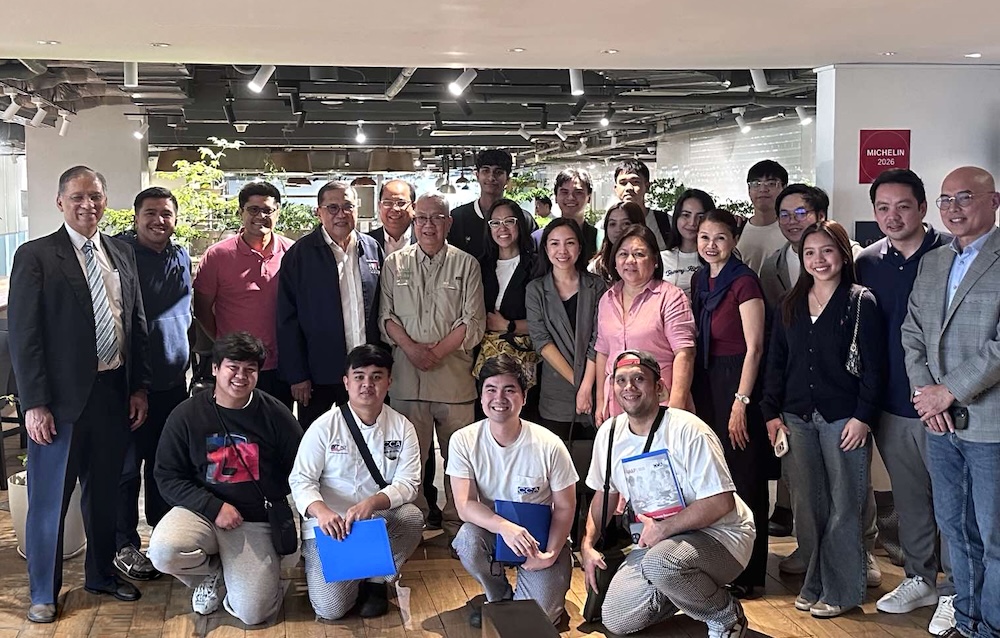
The Center for Culinary Arts Manila (CCA Manila) and the University of Asia and the Pacific (UA&P) recently held a two-day “Family Business Succession” seminar, equipping Filipino food and hospitality enterprises with tools to navigate leadership transitions across generations.
Designed for executives, next-generation leaders, culinary entrepreneurs, and students, the program highlighted a strategic collaboration between two institutions committed to building enduring businesses.
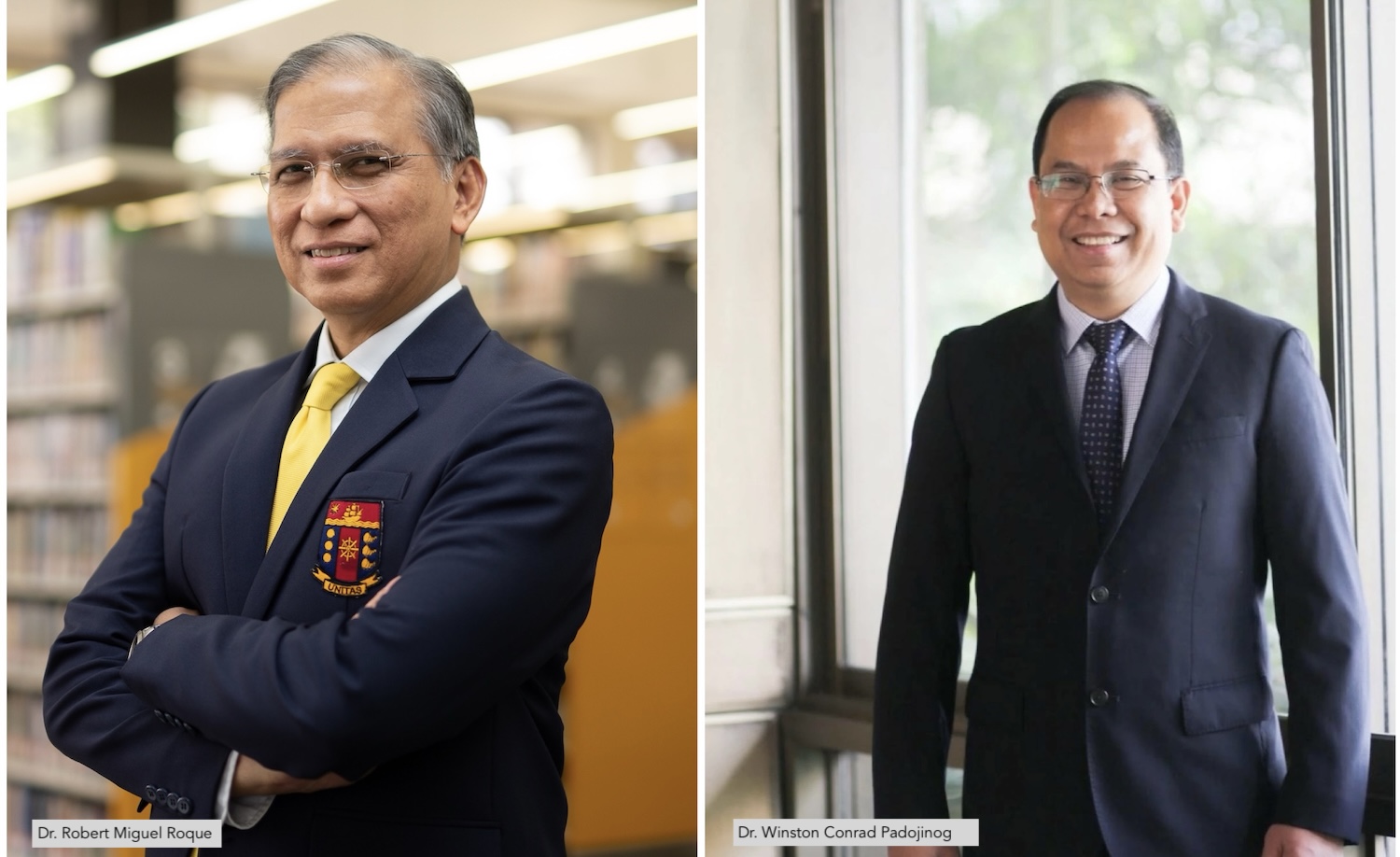
The seminar was led by UA&P’s Dr. Robert Miguel Roque, Executive Director of the Center for Family Business, and Dr. Winston Conrad B. Padojinog, former UA&P president and entrepreneurship faculty member, the seminar drew participants from across CCA Manila’s network—seasoned restaurateurs to young culinary students already embedded in family enterprises. Together, they examined not only succession frameworks and governance structures, but also the deeper realities that define family-run businesses: shared values, unspoken expectations, and the delicate intersection of business and blood.
The initiative reflects a natural partnership. CCA Manila has long trained culinary professionals to build and manage businesses, many of whom run family-owned restaurants and food brands nationwide. UA&P, meanwhile, continues to advance research and education focused on sustaining family enterprises.
“UA&P seeks to partner with institutions like CCA Manila that value preparing next-generation leaders to lead their enterprises,” Dr. Roque and Dr. Padojinog shared. “Together, we promote among family businesses in the hospitality and food industry the tools, perspectives, and experiences that can help them navigate the dynamics of family business succession.”
Personal insights on succession
While the seminar began with macro insights—underscoring that family businesses form a backbone of the Philippine economy—its most powerful moments unfolded on a personal level.
Among the participants was 19-year-old CCA Manila student Jamile Carl Fernandez, whose family operates Tamilawan, a South Cotabato-based restaurant that began as a small bakery in 2008. Built around heritage and halal principles, the business expanded to six branches before the pandemic forced two closures. Today, four remain, with one undergoing renovation.
Jamile grew up immersed in operations—grocery runs, supply lists, inventory checks—long before he formally studied culinary arts. Yet the seminar reframed his role. Instead of seeing himself merely as the next in line, he began to understand stewardship as an active responsibility. “This program helped me realize that succession is about protecting the integrity of the company,” he said. “It’s about ensuring what was built survives, with honor, into the next generation.”
His experience echoed across the room. Ma. Colleen Lopez, also 19, admitted that she had never been involved in decision-making discussions within her family’s enterprise. “The seminar made me understand how much smoother transitions can be when families openly discuss succession early on,” she shared.
For Rob Serrano, the shift was about identity: moving from being “a mere observer and heir” to becoming “an engaged future leader.”
Bridging culinary and business expertise
A key takeaway: strategy must be anchored in shared family values. The sessions brought together industry veterans and students, blending culinary expertise with business discipline and reframing succession as a deliberate, ongoing process.
For CCA Manila, the initiative signals a broader educational push. As the industry grows more competitive, technical skills must be matched by leadership, governance, and financial literacy.
Building on this, CCA Manila is launching a Center for Food Entrepreneurship to support aspiring and existing food business owners through mentorship and structured learning—ensuring Filipino food enterprises remain both commercially sound and family-strong.


