

MANILA, 7 July 2026 — The Philippines recorded its strongest post-pandemic growth in international visitor arrivals during the first five months of the year, with arrivals rising 8 percent year-on-year, the highest growth rate since the country reopened its borders following the COVID-19 pandemic.
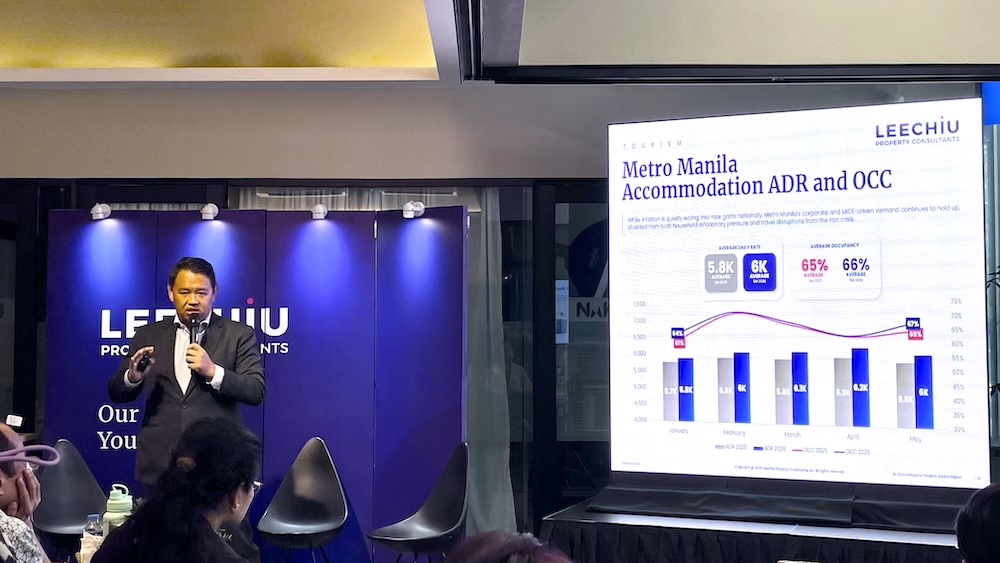
Speaking during the Leechiu Property Consultants 1H 2026 Philippine Market Report, Alfred Lay, Director of Hotel, Tourism and Leisure, said the January-to-May performance marked the fastest growth rate since international travel resumed following the COVID-19 pandemic, driven partly by the Philippines’ competitive pricing as the weaker peso made the country more attractive to foreign visitors.

As outbound international travel by Americans continued to expand, the United States remained the Philippines’ largest source market, with arrivals increasing 7 percent to 531,000 visitors.
South Korea, traditionally the country’s top market, declined 10 percent to 220,000 arrivals, slipping to second place for one of the few times outside the pandemic in the past 16 years.
The decline in Korean arrivals reflects increasing competition from neighboring destinations, despite South Korea’s proximity to the Philippines and strong air connectivity, the analyst said.
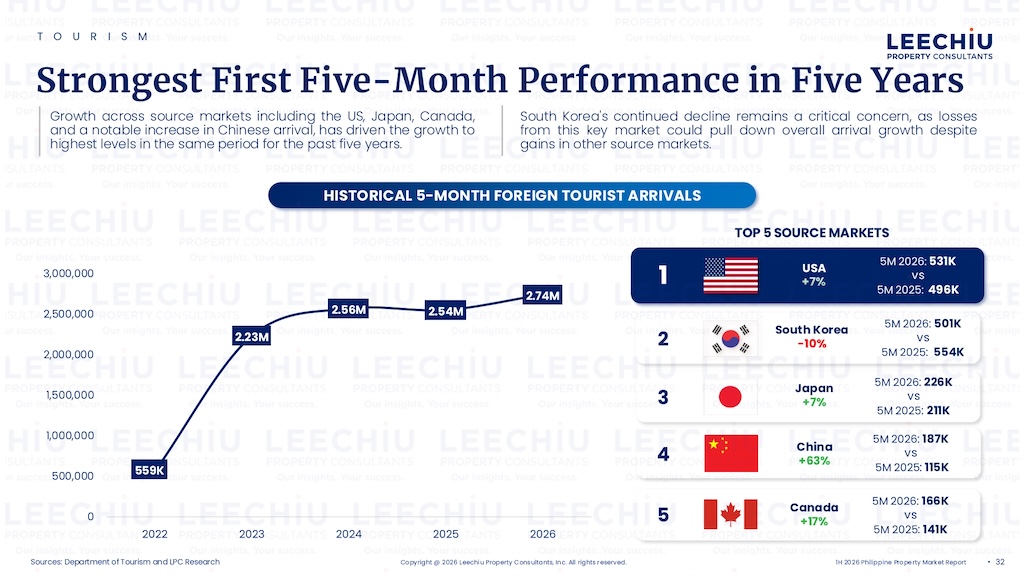
Meanwhile, arrivals from China surged 63 percent to 187,000 following the easing of visa requirements earlier this year, with further growth expected as Chinese tour operators gradually restore outbound group travel and package tours to the Philippines.
Japan recorded 7 percent to 226,000 arrivals, likewise posted improving outbound travel as the yen strengthened, although Japanese overseas travel remains roughly 30 percent below pre-pandemic levels, indicating further growth potential.
Canada rose 17 percent to 166,000 visitors, making it the country’s fifth-largest source market.
Lay also noted that India has entered the Philippines’ top 10 source markets following the launch of direct flights between the two countries, highlighting the importance of expanded air connectivity in driving visitor growth.
Despite the encouraging start, Lay said the recent conflict involving Iran interrupted the momentum the Philippines had been building after expanding tourism promotions, easing visa restrictions and opening new source markets, including India and China.
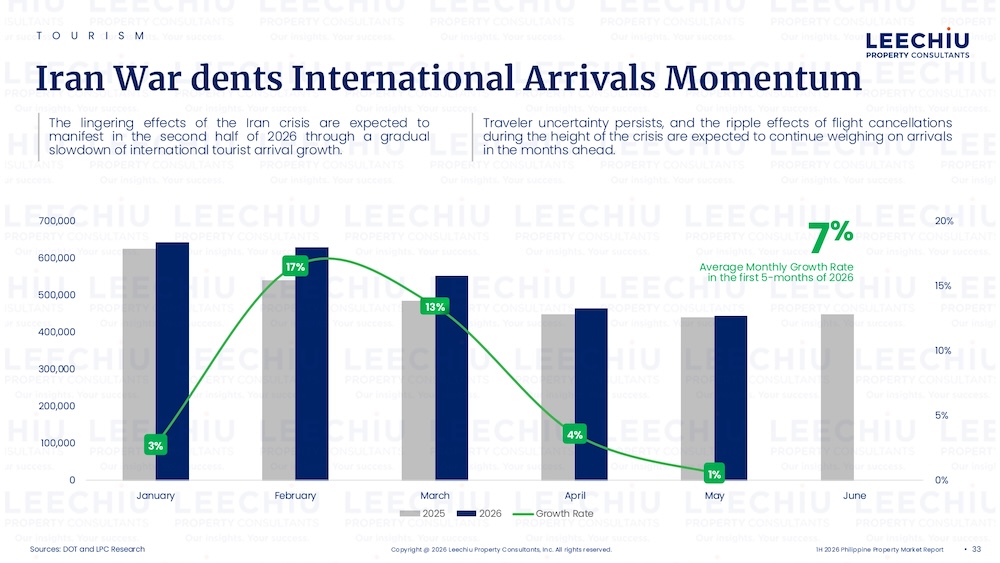
“The numbers were starting to look very good, and I thought we might actually see a genuine recovery in international tourism this year,” he said, noting that global uncertainty has since softened travel demand.
The hotel sector has likewise remained stable but has yet to regain strong growth momentum.
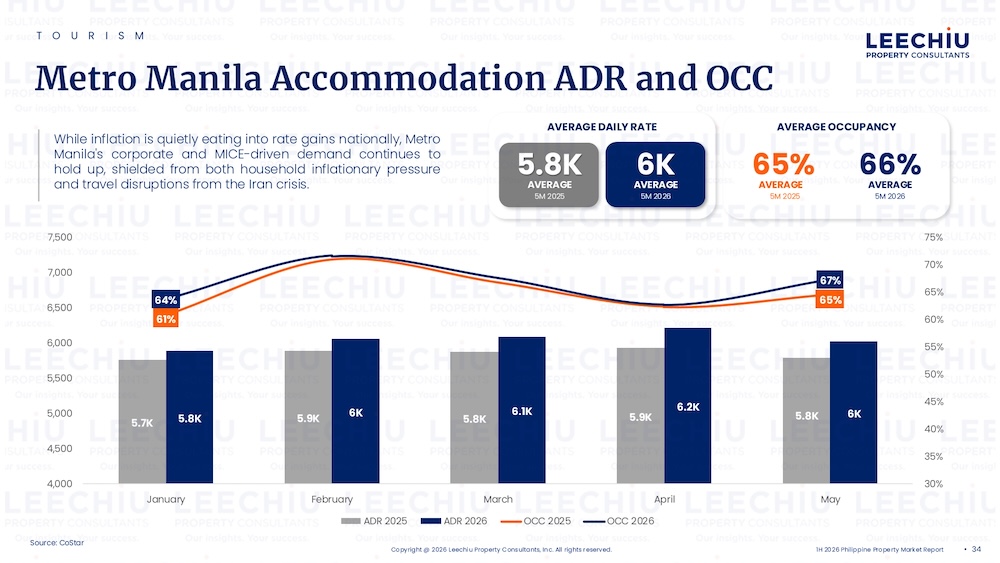
Average daily room rates and occupancy in Metro Manila, which generally mirror national trends, have largely moved sideways as resilient domestic travel offsets softer international demand.
Lay mentioned that while inflation continued to erode hotel rate gains nationwide, Metro Manila’s corporate and MICE-driven demand has remained resilient, helping shield the market from household inflationary pressures and travel disruptions linked to the Iran conflict. Metro Manila hotels posted an average daily rate of P6,000 with average occupancy at 66 percent.
Inflation continues to pressure hotel operators by increasing operating expenses and narrowing profit margins, while higher living costs could eventually weaken domestic tourism as households reduce discretionary spending.
A weaker peso may continue to support inbound tourism by making the Philippines a more affordable destination, although rising airfare and transportation costs resulting from higher fuel prices could offset some of those gains.
The continued hosting of ASEAN meetings in the Philippines is expected to provide a modest lift to hotels with strong meetings, incentives, conferences and exhibitions (MICE) facilities, particularly in Cebu.
Hosting these events reinforces the Philippines’ reputation as a MICE destination supporting future bookings.
Looking ahead, hotel occupancy and room rates are expected to remain relatively flat through the rest of the year, with more promotional offers likely as the industry enters the traditional low season.The Department of Tourism’s domestic tourism campaign is also expected to generate stronger demand in the second half of the year.
Lay said sustaining government marketing efforts, expanding international air connectivity and promoting domestic travel will be critical to keeping the industry’s recovery on track despite ongoing global uncertainties.


